
Is W-Sitting Bad? The Real Truth
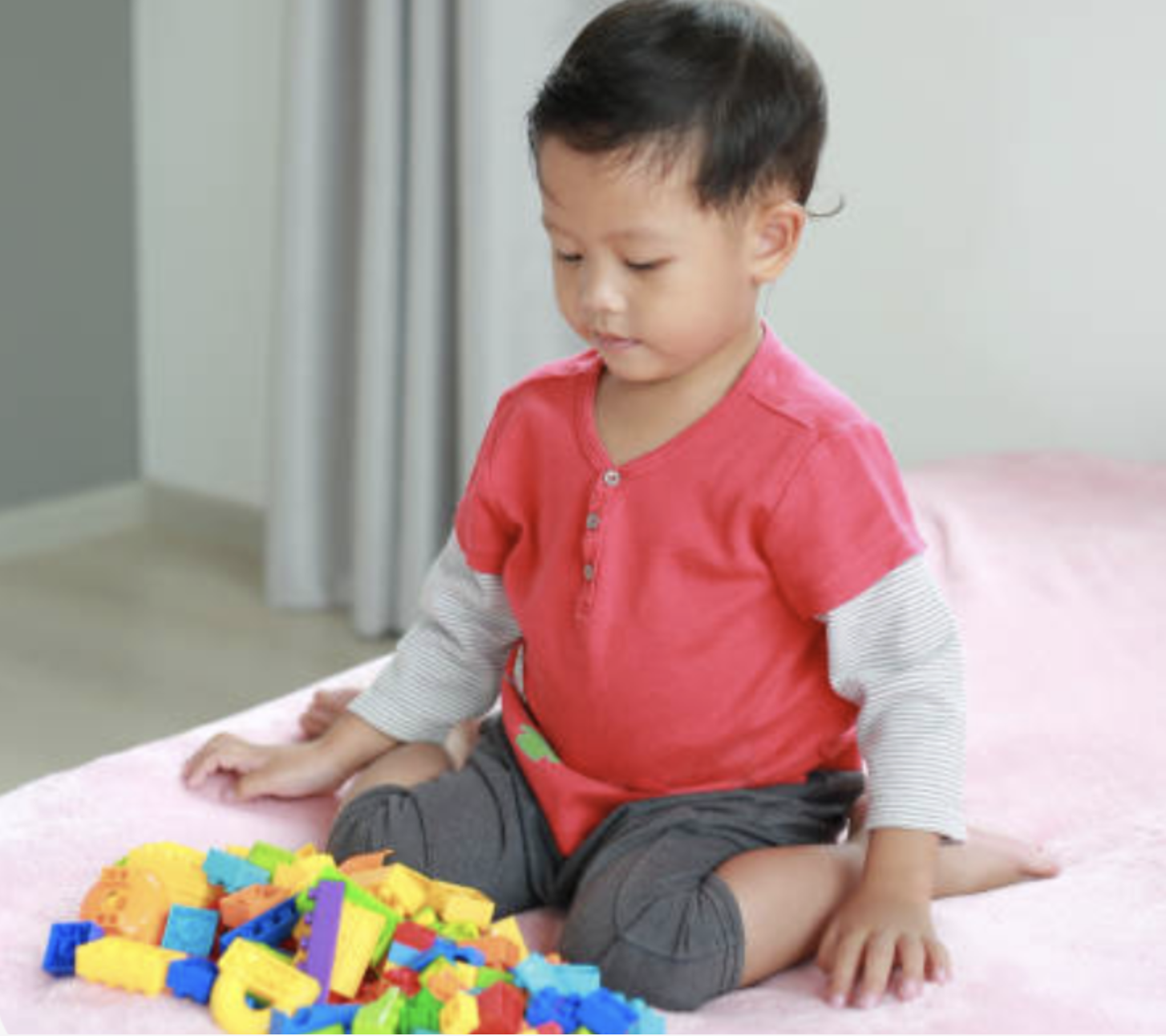
Have you ever noticed your child’s feet turning inward when they walk or run, you may be wondering:
Is this normal? Will they grow out of it? Does it need treatment?
Intoeing (sometimes called being “pigeon-toed”) is very common in infants, toddlers, and young children — and in most cases, it improves on its own.
Let’s break it down.
⸻
What Is Intoeing?
Intoeing describes a walking pattern where the feet point inward instead of straight ahead.
It can affect:
• One foot or both
• Walking and running
• Toddlers through early childhood
Most importantly, intoeing is usually a normal part of development.
It is due to the position your child was in, in your tummy! Bones are soft and malleable and change shape as we go through childhood!
⸻
Common Causes of Intoeing
There are three main reasons children intoe, depending on their age:
⸻
1. Metatarsus Adductus (Foot Turning In)
Common in infants
• The front part of the foot curves inward
• Often noticed in newborns or early infancy
• Related to positioning in the womb
🟢 Good news:
Most cases resolve on their own within the first year of life. Some require stretches, opposite shoe wear or casts if they are rigid.
⸻
2. Internal Tibial Torsion (Shin Bone Turning In)
Most common in toddlers (ages 1–3)
• The lower leg (tibia) twists inward
• Often more noticeable when learning to walk
• Can look worse when running
🟢 Good news:
This almost always improves by age 4–5 without treatment.
⸻
3. Femoral Anteversion (Thigh Bone Turning In)
Common in preschool and early school-age kids (ages 3–8)
• The thigh bone (femur) rotates inward
• Children may:
• Sit in a W-position
• Run with knees and toes pointing inward
• Trip more frequently
🟢 Good news:
This typically improves gradually up to ages 8–10. The shape of your femur bone changes normally as we age. This can even change up to 12 years old sometimes with no treatment.
⸻
Is Intoeing Painful or Harmful?
In most children:
• ❌ It does not cause pain
• ❌ It does not cause arthritis
• ❌ It does not limit sports or activity
Kids with intoeing can usually run, jump, and play just as well as their peers.
⸻
Will My Child Grow Out of It?
👉 Yes — most of the time.
Intoeing usually improves as:
• Bones grow and naturally rotate
• Muscles strengthen
• Coordination and balance mature
This is why observation is often the best treatment.
⸻
Do Braces, Shoes, or Orthotics Help?
For most children:
• ❌ Special shoes
• ❌ Braces
• ❌ Splints
Research shows these do not speed up correction of typical developmental intoeing.
The exception may be children with:
• Significant asymmetry
• Neurological conditions
• Pain or functional limitations
⸻
When Should I Be Concerned?
Consider an assessment if your child:
• Has pain, limping, or fatigue
• Trips and falls excessively
• Has intoeing that is only on one side
• Shows no improvement over time
• Has delayed motor milestones
• Has a known neurological or orthopedic condition
⸻
How Can Physiotherapy Help?
• Assess your child’s gait and alignment
• Rule out concerning causes
• Improve balance, strength, and coordination
• Provide parent education and reassurance
• Guide age-appropriate exercises when needed
Refer to our Pediatric Orthopedic Surgeon if they deem necessary
Sometimes, the biggest benefit is simply peace of mind.
⸻
The Bottom Line
✔ W-Sitting is okay! As long as it’s not 24 hours a day it won’t change the shape of your child’s bones - only time will!
✔ Intoeing is very common
✔ Most children outgrow it naturally
✔ Treatment is usually observation and reassurance
If you’re unsure whether your child’s intoeing is within normal limits, a professional assessment can help answer your questions early.
⸻
Unsure if your child’s walking pattern is normal?
Our physiotherapy team is here to help — with assessment, clear guidance, and kid-friendly care 💙
⸻
