
Post-Op Recovery: Evidence-Based Rehabilitation
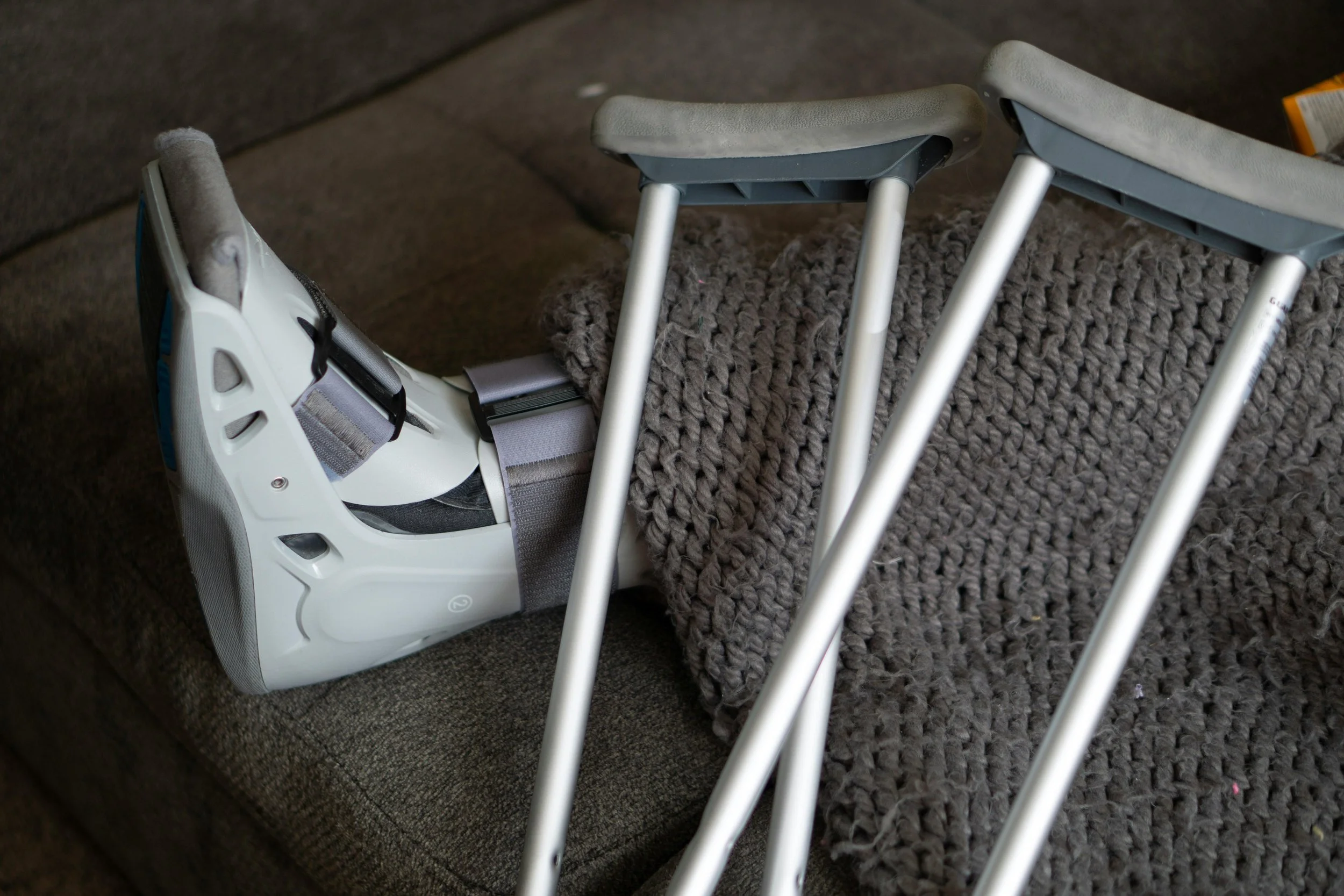
Road to Recovery: Post-Surgical Rehabilitation in Winnipeg
The drive home from the hospital after surgery often feels like the start of a long, uncertain road. Whether you have just had a joint replacement, an ACL reconstruction, or a repair for a sports injury, that initial period at home is often filled with questions. You might be wondering how much pain is normal, when you can safely navigate the stairs in your home, or if you will ever get back to the activities you love, like walking the trails at Fort Whyte Alive.
It is completely normal to feel a mix of relief that the surgery is over and anxiety about what comes next. At Better Beyond Rehabilitation, we understand that the days following a procedure are often the most challenging. Our goal is to help you understand the "why" behind your recovery so you can move forward with confidence.
The Science of Healing After Surgery
Effective recovery is not about doing as much as possible as quickly as possible. It is about following a path backed by clinical research. Evidence-based rehabilitation means that every exercise and milestone in your Care Plan is rooted in scientific studies and proven clinical outcomes.
In our clinic, these protocols are developed through a collaborative approach. Our practitioners work alongside our Clinical Advisor, an integrated orthopedic surgeon, to ensure your rehabilitation aligns with the specific requirements of your surgical procedure. This integration helps us bridge the gap between the operating room and your return to daily life.
When we talk about evidence-based care, we are looking at how the body heals on a cellular level. For example, research suggests that controlled, early movement can help manage swelling and maintain joint mobility without compromising the surgical site. By understanding these biological timelines, we can help you stay in the "ideal zone" for healing, avoiding the risks of doing too much too soon or too little too late.
Practical Solutions for Your Recovery Journey
Managing your recovery starts the moment you leave the hospital. While every surgery is different, there are foundational steps you can take to support your body’s natural healing process.
Prioritize Swelling Management: Use elevation and compression as directed by your surgical team. Managing inflammation is a key first step in regaining your range of motion.
Follow Your Weight-Bearing Guidelines: Your surgeon will provide specific instructions on how much weight you can put on your limb. These are not suggestions; they are vital for protecting the integrity of the surgical repair.
Gentle Range of Motion: Following the specific protocols provided for your surgery, gentle movements can help prevent the joint from stiffening.
Create a Safe Environment: Ensure your home is clear of trip hazards, especially during the icy Winnipeg winter months. Having a clear path to the bathroom and kitchen is essential for safety during early mobility.
Disclaimer: This information is for educational purposes and is not intended to replace professional medical advice. If you are experiencing pain or injury, consult with a qualified healthcare provider for an assessment tailored to your specific situation. While this information is based on current research and clinical guidelines, every person's situation is unique. A physiotherapy assessment can help determine the best approach for your specific needs.
Book an appointment at Better Beyond Rehab
Recognizing When to Reach Out
While some discomfort and swelling are expected, it is important to know which signs require professional attention. Monitoring your progress is a key part of your recovery. You should contact your healthcare provider or practitioner if you notice:
A sudden, significant increase in pain that is not managed by your prescribed medication.
Redness, warmth, or unusual drainage around your incision site.
Sudden calf pain or shortness of breath.
A significant "stuck" feeling in the joint that was not present previously.
Monitoring these milestones, such as your ability to achieve a certain degree of knee flexion or the strength of your quadriceps, helps us ensure you are meeting the necessary benchmarks for a safe recovery.
Key Takeaways for a Successful Recovery
Trust the Timeline: Healing cannot be rushed, but it can be optimized through evidence-based stages.
Consistency Matters: Small, daily movements often lead to better long-term outcomes than occasional, intense effort.
Clear Communication: We facilitate direct communication with our Clinical Advisor when specific rehab questions arise.
Focus on Function: Our goal is to get you back to your specific life goals, whether that is returning to work or playing with your grandchildren.
Supporting Your Next Steps
Recovery is a journey that requires patience and the right support system. We are here to help you understand your surgery and provide the guidance needed to navigate your recovery safely. If you are preparing for an upcoming procedure or are currently in the early stages of healing, let us help you build a plan that is right for you.
An initial assessment at our clinic, located in the Seasons of Tuxedo area near Sterling Lyon Parkway, is the first step in creating a personalized Care Plan. We can review your surgical notes, assess your current mobility, and help you understand exactly what to expect in the weeks ahead.
Book an appointment at Better Beyond Rehab
Common Questions About Post-Op Rehab
How soon should I start physiotherapy? Evidence suggests that for many surgeries, an early assessment (often within the first week) is beneficial. This allows us to review your surgeon's protocols, check your mobility, and ensure you are performing your home exercises correctly.
Will my rehabilitation be painful? We focus on "comfortable challenge." While some discomfort is common when regaining motion, we use techniques to help manage pain so that you can participate effectively in your recovery.
Why do I need a specific protocol? Surgeons use different techniques and hardware. A protocol ensures your physiotherapy aligns exactly with what happened in the operating room, protecting the surgeon's work while helping you regain function.
Disclaimer: This information is for educational purposes and is not intended to replace professional medical advice. If you are experiencing pain or injury, consult with a qualified healthcare provider for an assessment tailored to your specific situation.
