
ACL Rehab Isn't What It Used To Be: What Actually Helps You Return to Sport
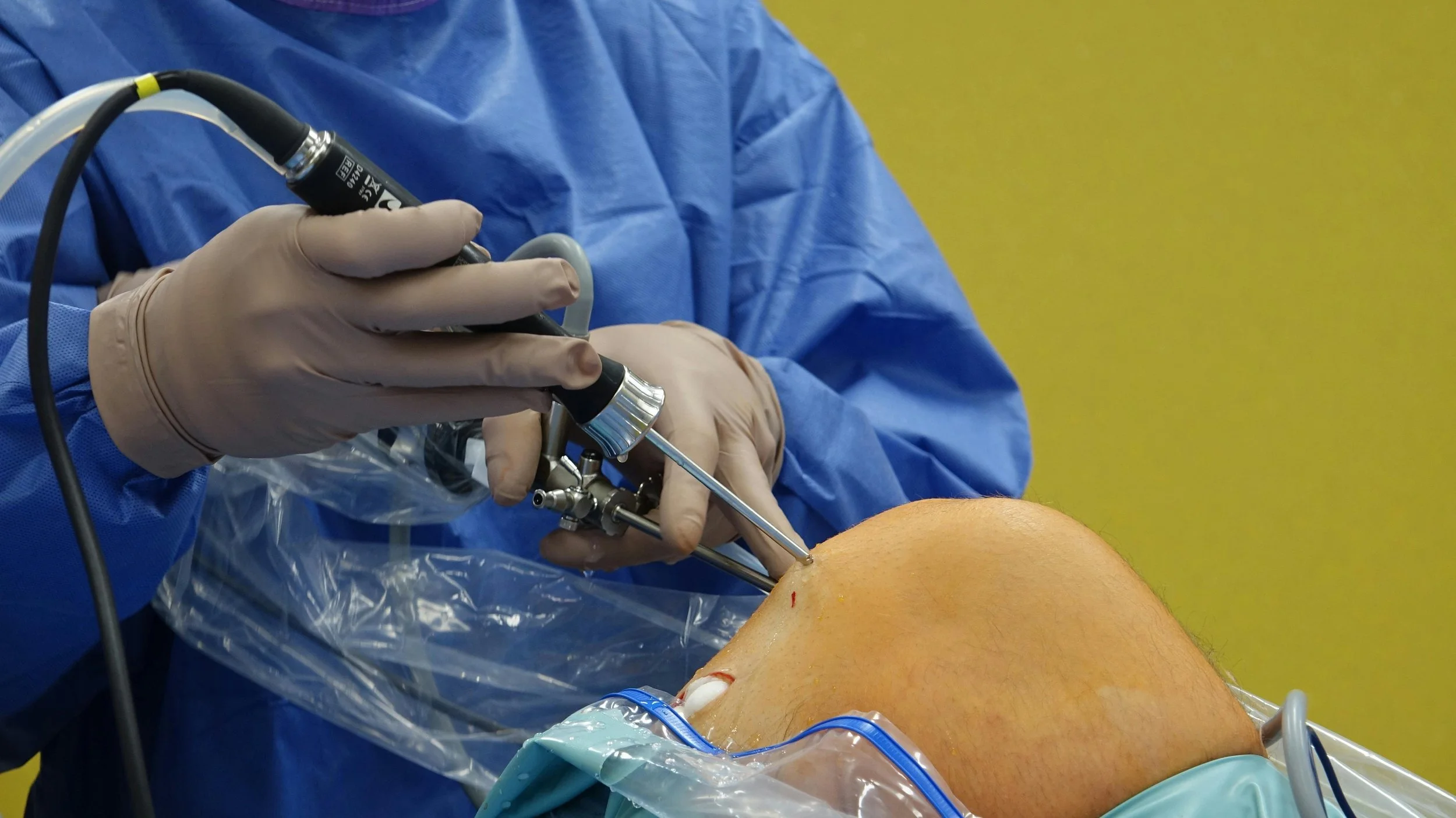
A New Reality for ACL Recovery
If you have just torn your ACL, or your teenager has, you have probably already heard scary statistics, outdated advice, and a whole lot of conflicting opinions.
What you should know is, ACL rehab today is completely different than it was 10 years ago. Depending on the quality of your rehabilitation, athletes can return with a high level of function and confidence. Without the right approach, many unfortunately struggle to get back to their sport at all. At Better Beyond Rehabilitation, we use evidence-based ACL strategies designed to help rebuild strength, protect your graft, and manage re-injury risk.
Why the "Wait and See" Method is Outdated
In the past, the standard protocol was to keep the knee immobilized and "wait for the swelling to go down" before starting any real work. Modern research has turned this on its head.
We now know that the first two to three weeks are a critical window.
In Winnipeg, we see many young athletes from hockey, soccer, and volleyball who are told to wait weeks for a follow-up before moving. However, the science suggests that early, controlled movement is essential for restoring knee extension and "waking up" the quadriceps. Delaying this process often leads to muscle wasting that takes months to correct.
Building a New Movement System
Whether you choose a surgical repair or a non-surgical management path, you aren't just "fixing a ligament." You are rebuilding a movement system.
Research into the kinetic chain shows that a healthy knee relies on the support of everything around it. Our evidence-based approach focuses on:
Arthrogenic Muscle Inhibition: This is a fancy term for the brain "shutting off" the quads after an injury. We use specific techniques to restart that connection.
Graft Protection: We understand the biological healing phases of a graft. We load the knee in ways that build muscle without putting the new ligament at risk.
Neuro-Cognitive Training: Recovery isn't just physical. It involves retraining the brain to trust the leg during fast, unpredictable movements.
The Pillars of Modern ACL Rehabilitation
We don't rely on guesswork or general timelines. High-quality ACL rehab is built on objective milestones.
The Quad Strength Priority If there is one factor that predicts a successful return to sport, it is quadriceps strength. We use objective testing to ensure your injured leg is gaining ground on your healthy leg. This isn't about "doing your exercises"; it's about hitting specific strength numbers.
The Running Checklist Many re-injuries happen because athletes start running too early. Before we clear you to run on our indoor turf, we look for:
Full knee extension (straightening).
Symmetrical strength levels.
The ability to control a single-leg squat without the knee caving in.
Zero "flare-ups" or swelling after impact.
The Mental Side of Recovery Fear is a physiological response to a major injury. Part of our role is "confidence training." By gradually exposing the knee to harder tasks in a safe environment, we help athletes overcome the hesitation that often leads to secondary injuries.
The Assessment Process
Early intervention changes everything. Whether you are "pre-habing" before a scheduled surgery or trying to decide on the best path forward after a fresh injury, a professional assessment is the first step.
At our Seasons of Tuxedo clinic, we provide a comprehensive screen that looks at your mobility, current strength, and movement patterns. We take the time to explain the "why" behind your symptoms so you can feel in control of your recovery.
Key Takeaways
Rehab Starts Now: Do not wait for weeks to begin moving; early extension and quad activation are vital.
Strength is Protective: Your quads are the primary shock absorbers for your knee.
Testing Over Timelines: Do not return to sport just because it has been six months. Return because you passed your tests.
Integrated Care: A team approach involving your physiotherapist and surgeon provides the most cohesive recovery path.
A physiotherapy assessment can help identify the contributing factors to your knee instability and provide a structured, evidence-based plan for your recovery. Let’s get you back to the activities you love with a focus on safety and long-term function.
Book your ACL Assessment at Better Beyond Rehab
Sources:
British Journal of Sports Medicine (BJSM): 2023 Consensus on ACL Rehabilitation
Journal of Orthopaedic & Sports Physical Therapy (JOSPT): Return to Sport Strategies
The Mayo Clinic Proceedings: Modern Trends in ACL Reconstruction and Rehab
This information is for educational purposes and is not intended to replace professional medical advice. If you are experiencing pain or injury, consult with a qualified healthcare provider for an assessment tailored to your specific situation.
While this information is based on current research and clinical guidelines, every person's situation is unique. A physiotherapy assessment can help determine the best approach for your specific needs.
