
When Can My Child Safely Return to Sports After a Fracture?
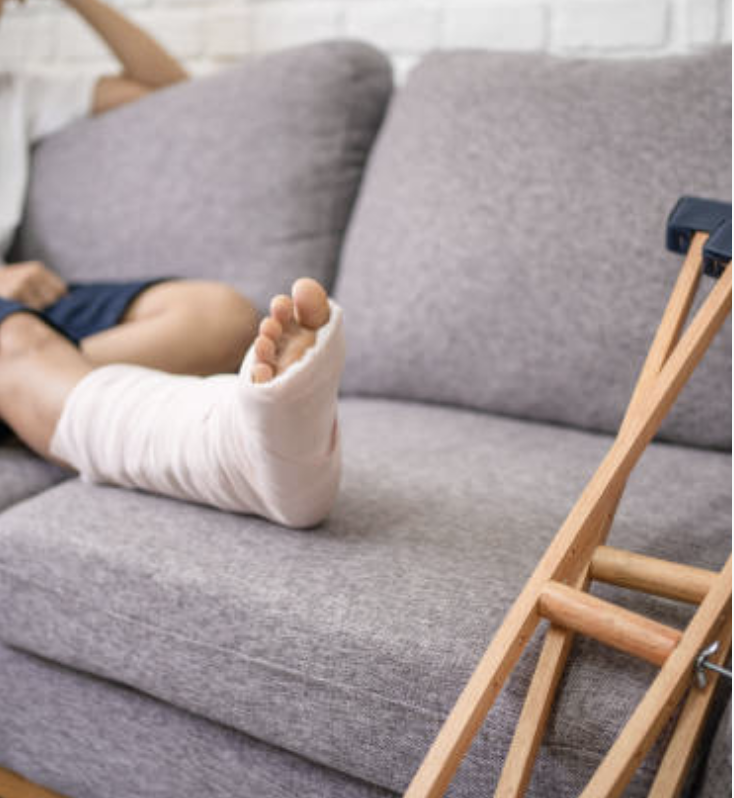
This is one of the most common questions we get asked and it’s a good one! Fractures are common in children and evidence suggests many heal very well. Cast removal does not necessarily mean your child is ready to return to sports. The biggest risk of re-injury happens around this time. Returning to sports depends on bone healing and functional recovery. An X-RAY is only part of the story.
Understanding the Three Phases of Bone Healing
Bones heal in three phases. The inflammatory phase lasts for 1 to 2 weeks and is characterized by pain and swelling. The bone is repaired during weeks 3 to 6 going from soft to hard callus. Finally, in weeks 6 and beyond, the bone strengthens and remodels.
Why the First 8 Weeks After Cast Removal Are Critical
During immobilization in a cast, the muscles weaken, joints become stiff, proprioception and balance are lost, and movement patterns are altered. This is why re-injury is most common during the first 4 to 8 weeks after cast removal.
The Functional Checklist for Returning to Sport
The real criteria for return to sport is not just a date, it’s a checklist. Your child should have full motion, normal strength, pain-free mobility and impact, the ability to hop, jump, and run confidently, normal balance and coordination and complete sport specific skills.
Typical Timelines for Winnipeg Youth Athletes
Bone healing determines when we start rehab, and rehab determines when sport is safe. Typical timelines (averages) for return to sport after fracture look something like this:
Wrist fracture: 4 to 6 weeks after cast off
Forearm fracture: 6 to 8 weeks after cast off
Clavicle fracture: 6 to 10 weeks
Ankle fracture: 8 to 12 weeks
Tibia fracture: 3 to 5 months
How Physiotherapy Supports a Safe Return to Play
Physiotherapy helps restore strength, balance, impact tolerance, sport mechanics and confidence after a fracture. A major goal of therapy is to help manage compensations that can lead to re-fracture, sprains, knee injuries or chronic pain.
As a parent, watch for signs that your child is not ready to return to sport. Look for limping, guarding, play avoidance, early fatigue, pain after or during an activity or loss of confidence.
The Staged Return to Play Protocol
Gradual return to play is the most important part. When kids skip this step, injuries happen. Staged return should look something like this: Daily Activity -> Jogging -> Running -> Jumping -> Practice Drills -> Non-Contact Practice -> Full Play
“Okay, I get all that but can my child return to sport early if they have a brace or cast in place?” Short answer, yes. Depending on the fracture type and immobilization chosen, sometimes they can. This varies on a case-to-case basis, your child, and how important their activity is to them. A thorough discussion about the risks and benefits of returning early allows families to make an educated choice that’s right for them!
Active kids are happy kids and happy kids make happy parents. Just remember, taking a cast off does not mean they are ready for sport. Strength and coordination matter more than an X-RAY.
If you or your child are looking for guidance on returning to sport after a fracture, a physiotherapy assessment can help!
