
Clubfoot and Physiotherapy: Supporting Your Childs Journey
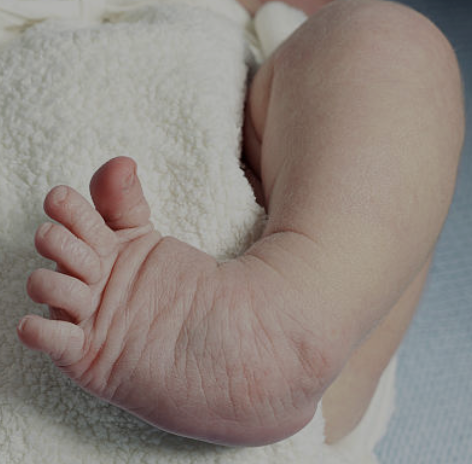
If your baby was born with clubfoot, you have likely navigated a whirlwind of emotions and clinical appointments. From the very first cast to the long nights of boots and bars bracing, it is completely normal to feel overwhelmed and protective of your child’s progress. Our goal is to help you understand that you are not alone in this process. Many parents in Winnipeg find themselves wondering what comes next once the initial medical phase is complete. You want to ensure your child can eventually run through the trails at Assiniboine Park or participate in local youth soccer without limitation. We are here to support you as your child transitions from medical correction to active, confident play.
Understanding the Long-Term Path for Clubfoot in Manitoba
Clubfoot, also known as talipes equinovarus, is a condition where a baby is born with one or both feet turned inward and downward.
For families in Manitoba and Northern Ontario, the journey typically begins at HSC Children’s Hospital. Most treatment follows the Ponseti method, which is a non-surgical approach using gentle manipulation and a series of casts to align the foot.
While the casting method corrects the physical shape of the foot, research suggests that the muscles and tendons may remain naturally tighter as the child grows. Evidence indicates that ongoing monitoring of movement patterns is essential during significant growth spurts. In a local context, this means ensuring your child is prepared for the physical demands of Winnipeg winters, from walking on uneven snow to starting active play in school.
The Biomechanics of Clubfoot and Growth
To understand why movement therapy matters, we must look at the specific anatomy of the lower leg. In clubfoot, the Achilles tendon, which is the thick cord at the back of the heel, is often very tight. Additionally, the posterior tibialis muscle, located on the inside of the ankle, can contribute to the foot turning inward. Even after successful casting, these structures have a natural tendency to return to their original positions.
Muscle Symmetry: Many children experience "calf hemi-atrophy," where the calf muscle on the affected side is slightly smaller than the other.
Joint Flexibility: The talus bone, which is the main bone of the ankle joint, may have a different shape that limits how far the foot can bend upward.
What does this mean? For your child, this means that even if the foot looks straight, they may compensate by "toe-walking" or turning their hips. Addressing these patterns early helps maintain the correction achieved during casting and prevents future walking difficulties.
Practical Solutions for Every Stage of Development
Managing clubfoot is a journey that changes as your child reaches new milestones. At Better Beyond for Kids, we utilize Play-Based Care, which integrates clinical goals into fun activities.
Infants and Toddlers (0 to 3 Years)
During this stage, the focus is on maintaining flexibility and ensuring the boots and bars bracing is effective.
Guided Stretching: Gently moving the foot into a "dorsiflexion" position, or toes toward the shin, helps keep the Achilles tendon long.
Sensory Play: Encourage your child to walk on different textures, like the indoor turf at our clinic or soft grass, to build foot awareness.
Tummy Time: This builds the core and hip strength necessary for a stable walking pattern later.
Preschool and School-Age (4 to 10 Years)
As children start running and jumping, we focus on power and symmetry.
Single-Leg Balance: Use "animal walks" or "stork stands" to strengthen the muscles that stabilize the ankle.
Jumping Skills: Practice hopping on the affected leg to build the explosive strength needed for sports.
Growth Spurt Checks: If you notice your child tripping more often during a growth spurt, it may be time for a flexibility check-in.
Pre-Teens and Teens
Rapid growth in the teenage years can lead to renewed tightness.
Sport-Specific Training: We help transition kids into competitive activities by focusing on biomechanics.
Self-Stretching Routines: Empowering your teen to manage their own flexibility prevents stiffness from impacting their daily life.
When to Seek a Professional Assessment
It is helpful to have a trained eye observe your child’s movement at key developmental milestones. You should consider a physiotherapy assessment if you observe any of the following:
Your child consistently walks on their toes on one or both sides.
One foot appears to turn inward more than the other when they are tired.
Your child avoids running or complains that their leg feels "heavy" or tired during walks.
You notice a significant difference in the size of their calf muscles.
An assessment at Better Beyond Rehabilitation evaluates joint range of motion, muscle strength, and functional movement patterns to help identify the root cause of any walking changes.
Key Takeaways for Parents
Correction is the First Step: While casting aligns the foot, movement therapy helps your child use that foot effectively for life.
Growth Changes Everything: Keep an eye on flexibility during growth spurts, as bones often grow faster than muscles.
Play is Therapy: For kids, the best "exercises" are often disguised as games and playground activities.
A Team Approach: Combining the expertise of orthopedic providers with functional physiotherapy supports the best long-term outcomes.
Getting Clarity on Your Child’s Movement
Understanding your child’s unique physical development can provide immense peace of mind. A physiotherapy assessment can help identify the root cause of any walking concerns and ensure your child is on the right path. We are here to help you navigate this journey with evidence-based care in a non-intimidating, kid-friendly environment.
Frequently Asked Questions
-
Yes, most children treated with the Ponseti method can participate in any sport they choose. Our goal is to help them build the strength and coordination needed to play safely and confidently.
-
This is very common and is known as calf hemi-atrophy. While the muscle may always be slightly smaller, we can help the existing muscle fibers become as strong and efficient as possible.
-
Physiotherapy for clubfoot is often episodic. We may see you more frequently during learning to walk or during a major growth spurt, with "check-ins" in between to monitor progress.
Disclaimers
This information is for educational purposes and is not intended to replace professional medical advice. If you are experiencing pain or injury, consult with a qualified healthcare provider for an assessment tailored to your specific situation.
While this information is based on current research and clinical guidelines, every person's situation is unique. A physiotherapy assessment can help determine the best approach for your specific needs.
Sources
Journal of Pediatric Orthopaedics: https://journals.lww.com/pedorthopaedics (Recent studies on long-term Ponseti outcomes).
Global HELP Organization: https://global-help.org/ (Clubfoot parent resources).
