
Is W-Sitting Bad? The Real Truth About Intoeing and Development
Watching Your Child Move: When to Worry and When to Wait
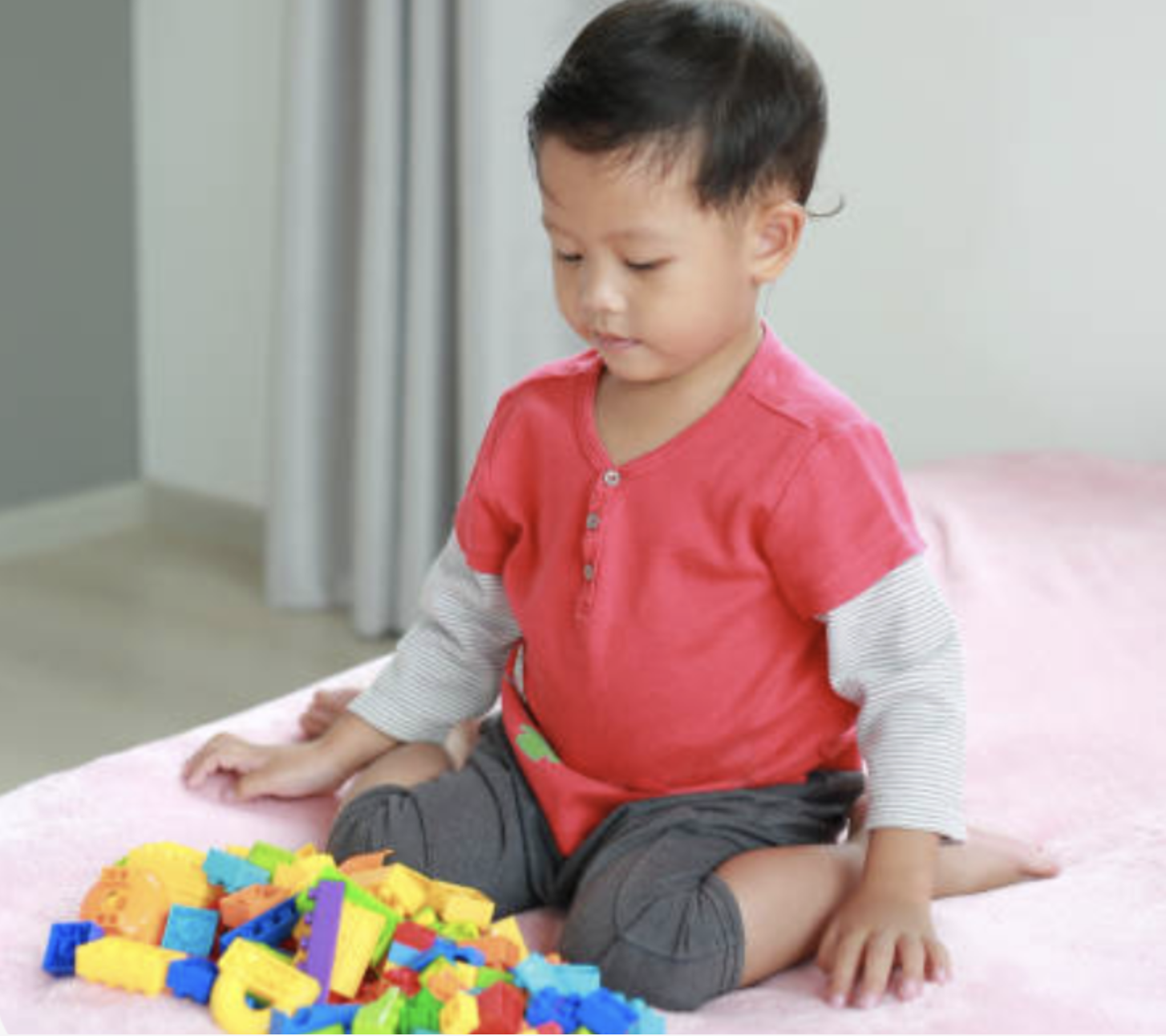
If you have ever looked down while your child is playing with blocks and noticed their legs folded into a perfect "W" shape, or if you have watched them run across the playground at the park with their toes pointing inward, you have likely felt a flicker of concern. It is an incredibly common sight in Winnipeg living rooms and parks. This "pigeon-toed" gait, scientifically known as intoeing, often causes parents to worry about long-term mobility. You might wonder if your child will struggle with sports or if they will eventually need specialized braces to walk normally. These feelings are completely natural. Every parent wants to ensure their child has a strong, healthy foundation for movement.
As parents, we are often bombarded with conflicting advice from the internet, social media, and well-meaning relatives. You might have heard that W-sitting causes permanent hip damage or that intoeing requires expensive corrective shoes to "fix" the alignment. However, current pediatric research and clinical evidence offer a much more reassuring perspective. At Better Beyond Rehabilitation, we believe in providing a calm, evidence-based perspective that validates your experience while explaining the biology of childhood development. Understanding how a child's body matures can help take the stress out of these developmental phases, allowing you to focus on enjoying your child's milestones.
The Science of Growth: Why Does Intoeing Happen?
Intoeing is not usually a "condition" that needs a cure. Instead, it is a reflection of how a child’s bones are shaped as they grow. When babies are developing in the womb, they are tucked into a very tight space. This positioning can cause the soft, malleable bones of the legs to rotate slightly to fit the environment.
Evidence suggests that as children grow, gain strength, and begin to move against gravity, these bones naturally rotate into a more neutral alignment. This process is a normal part of human development. Depending on your child’s age, the inward rotation usually stems from one of three specific areas of the lower limb.
Three Common Stages of Inward Rotation
As your child grows from an infant to a school-aged student, the source of their intoeing typically shifts. Understanding these stages can help you identify what is happening with your child's specific alignment.
1. The Foot: Metatarsus Adductus This is most common in infants. It is where the front half of the foot curves inward. Because the bones are so soft at this stage, the foot can often be gently guided into a straight position. Research indicates that the vast majority of these cases resolve on their own within the first year of life as the foot becomes more flexible through movement and weight-bearing.
2. The Shin: Internal Tibial Torsion This is the most common cause of intoeing in toddlers between the ages of one and three. In this stage, the lower leg bone, known as the tibia, has a slight inward twist. While it may look pronounced when they first start walking or running, studies show this typically improves by age five. You may notice it more when they are tired or wearing heavy winter boots during our Winnipeg winters.
3. The Thigh: Femoral Anteversion This is common in children ages three to eight. It is the most frequent cause of "W-sitting" because the thigh bone rotates inward at the hip. Evidence suggests this can continue to change and improve until a child is 10 or even 12 years old. This is often the stage where parents notice the most "clumsiness" or tripping, as the knees and toes both point toward the midline.
The Great W-Sitting Debate: What the Research Really Says
For years, W-sitting was labeled as a major "red flag" by educators and some healthcare providers. The fear was that sitting with the knees in front and the feet flared out to the sides would permanently deform the hip joints or cause lifelong walking issues.
The reality is that current clinical evidence suggests that for the average, typically developing child, W-sitting is simply a comfortable position allowed by their natural bone rotation. Research has not found a direct link between W-sitting and long-term hip or knee joint issues in healthy children.
While we encourage children to use a variety of sitting positions, such as "criss-cross" or side-sitting, to develop a wider range of core stability, W-sitting itself is generally considered a variation of normal. As long as your child is not sitting in that position for the entire day and is able to move in and out of it easily, it is unlikely to cause lasting harm. Time and natural growth are the primary factors in the bone rotation that makes W-sitting feel comfortable for them. We often find that as the femur naturally rotates back toward neutral, the child will gradually stop choosing the W-position on their own.
Supporting Your Child’s Natural Development
When a child is intoeing or W-sitting, the natural instinct for many parents is to find an immediate intervention. However, it is important to look at what the research supports for healthy development.
Prioritize Observation: In most cases, the "wait and see" approach is the most evidence-based path. Because bones naturally rotate as a child matures, many patterns manage themselves without any clinical intervention.
Moving Past Corrective Footwear: In the past, heavy braces or "orthopedic shoes" were common. Today, research shows that for typical developmental intoeing, these devices do not speed up the correction process. In fact, they can sometimes be restrictive and uncomfortable for a child who just wants to play.
Focus on Diverse Movement: Instead of constantly correcting how they sit, focus on encouraging activities that promote overall strength. At our Winnipeg clinic, we encourage climbing, swimming, and various types of play on our indoor turf to help develop the muscles around the hips and core. Building strength in the hip abductors and external rotators can help a child feel more stable as their bones continue to change.
Respect Individual Timing: Every child's biological clock for bone rotation is different. While one child might walk straight at age four, another might continue to intoe until age nine. Both can be perfectly normal variations of development.
When Does a Walking Pattern Need a Professional Eye?
While most intoeing is a normal part of growing up, there are specific instances where a physiotherapy assessment is beneficial. We look for "red flags" that might suggest the walking pattern is not purely developmental. You may want to consult our team if you notice any of the following:
Asymmetry: The intoeing is significantly worse on one side than the other, or only occurs on one leg.
Pain or Limping: Your child complains of pain in the hips, knees, or feet, or has a noticeable limp after physical activity or at the end of the day.
Functional Limitations: Your child trips or falls excessively compared to peers of the same age, or seems unusually fatigued by short walks.
Regression: The intoeing seems to be getting significantly worse over several months rather than staying the same or improving as they age.
A physiotherapist can perform a thorough gait analysis and physical screen to ensure there are no underlying neurological or orthopedic concerns. Our role is often to provide a baseline measurement, offer guidance on specific play-based exercises if muscle tightness is a factor, and provide parents with the peace of mind they need to navigate these growing years.
Key Takeaways for Winnipeg Parents
Intoeing is common: Most children will experience some degree of inward foot rotation during their development.
W-Sitting is generally okay: Unless a child has a specific medical condition, W-sitting is typically a comfortable, temporary phase that does not cause permanent damage.
Natural Resolution: Evidence suggests that most bone rotation issues manage themselves on their own by age 8 to 10.
Focus on Function: If your child is active, pain-free, and keeping up with friends, their walking pattern is likely just a part of their unique growth journey.
Personalized Guidance for Your Child
If you are unsure whether your child’s walking pattern is within the expected developmental range, a professional assessment can help identify the contributing factors. Our team at Better Beyond Rehabilitation provides clear guidance and supportive care in a kid-friendly environment at our Seasons of Tuxedo location on Sterling Lyon Parkway. Our facility features specialized play-zones and an indoor turf area designed to make therapy feel like fun. You can check our availability and book a pediatric assessment below:
Article Sources:
Mayo Clinic: Intoeing in Children - Symptoms and Causes
OrthoInfo (AAOS): Intoeing and Development
Choosing Wisely Canada: Pediatric Orthopaedics and Over-Treatment
Journal of Pediatric Orthopaedics: The Natural History of Femoral Anteversion
This information is for educational purposes and is not intended to replace professional medical advice. If your child is experiencing pain or injury, consult with a qualified healthcare provider for an assessment tailored to your specific situation.
While this information is based on current research and clinical guidelines, every person's situation is unique. A physiotherapy assessment can help determine the best approach for your child's specific needs.
