
Trampoline Safety for Kids: Prevent Injuries and Still Have Fun
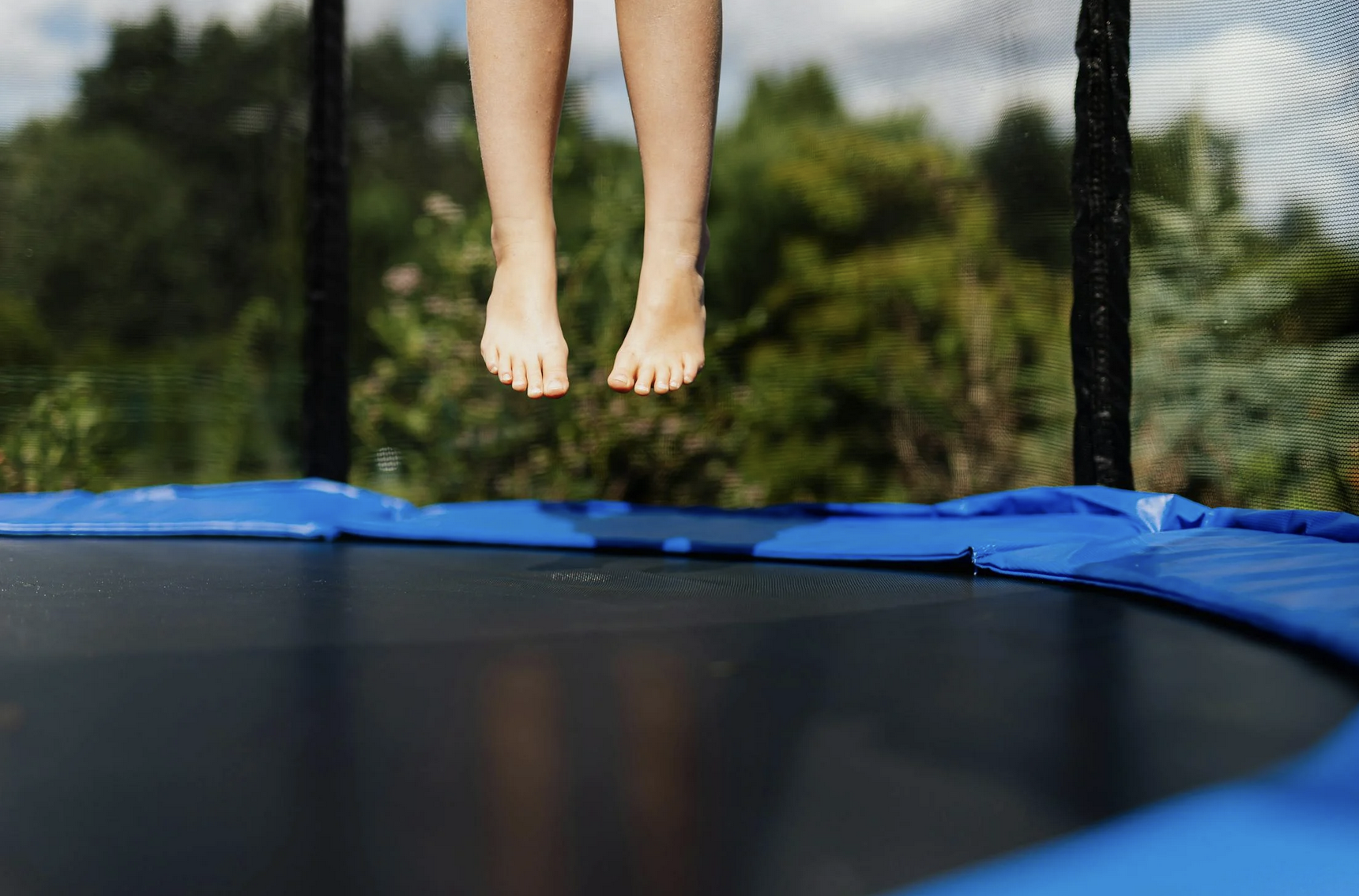
It’s trampoline season in Winnipeg!
Trampolines are a great way to burn energy, improve coordination and just have fun. As a physiotherapy clinic that sees kids daily, we also see the downside. Trampoline related injuries are one of the most common reasons kids come into clinic, especially in the spring and summer months.
The good news? Most of these injuries are preventable!
Why Are Trampolines Risky?
Trampolines create unpredictable forces on a child’s body. When multiple kids are jumping at once, the mat can recoil unevenly, launching a smaller child higher than anticipated. This increases the risk of:
· Falls off the trampoline
· Awkward Landings
· Collisions with other children
· High-impact forces on growing joint
Because kids’ bones are still developing, they are more vulnerable to injury, especially around their growth plates.
Common Trampoline Injuries We See
At Better Beyond Rehab for Kids, the most frequent injuries include:
· Wrist fractures
· Ankle Sprains
· Elbow Injuries
· Knee injuries
· Neck injuries (less common but more serious)
Younger children are at higher risk, especially those under age 6.
7 Simple Trampoline Safety Rules
If your family has a trampoline, these guidelines can dramatically reduce the risk of injury:
1. One Jumper at a Time
This is the single most important rule. Multiple jumpers = unpredictable forces and higher injury risk.
2. Always Supervise
An adult should be present and actively watching, not just nearby. Many injuries at Winnipeg trampoline parks including the Flying Squirrel, Apex Adventure Plex or Fun Park can be prevented with the correct supervision. This includes keeping older kids away from younger ones and limiting crowding.
3. No Flips or Somersaults
These are a leading cause of serious neck injuries. Even athletic kids shouldn’t attempt them without proper training.
4. Use Safety Nets and Padding
Ensure your trampoline has a properly installed enclosure net and padding to cover the springs and frame.
5. Keep It Ground-Level
Whenever possible, place the trampoline at ground level or ensure there’s a safe surface around it (grass or rubber).
6. Set Clear Rules
Kids should know:
· No pushing
· No roughhousing
· No jumping off the trampoline
7. Avoid Use Under Age 6
Younger children have less coordination and are more prone to injury, we see it all the time!
When Should You Be Concerned?
After a fall or awkward landing, watch for:
· Persistent pain or swelling
· Refusal to bear weight
· Limited movement
· Pain that doesn’t improve within 24-48 hours
If you notice any of these, it’s worth getting your child assessed.
How Physiotherapy Can Help
If your child does get injured, early physiotherapy can:
· Reduce pain and swelling
· Restore strength and mobility
· Prevent long term issues
· Safely guide return to sports and activity
At Better Beyond Rehab for Kids, we focus on helping kids recover quickly while keeping things fun and engaging.
The Bottom Line
Trampolines aren’t inherently bad, but they do require clear rules and supervision. A simple shift like enforcing “one jumper at a time” can prevent the majority of injuries that we see.
If you’re ever unsure whether your child’s injury needs attention, we’re here to help.
Need Help?
Book online here or contact our clinic to learn more.
