
Osgood-Schlatter Disease: What Every Parent Should Know
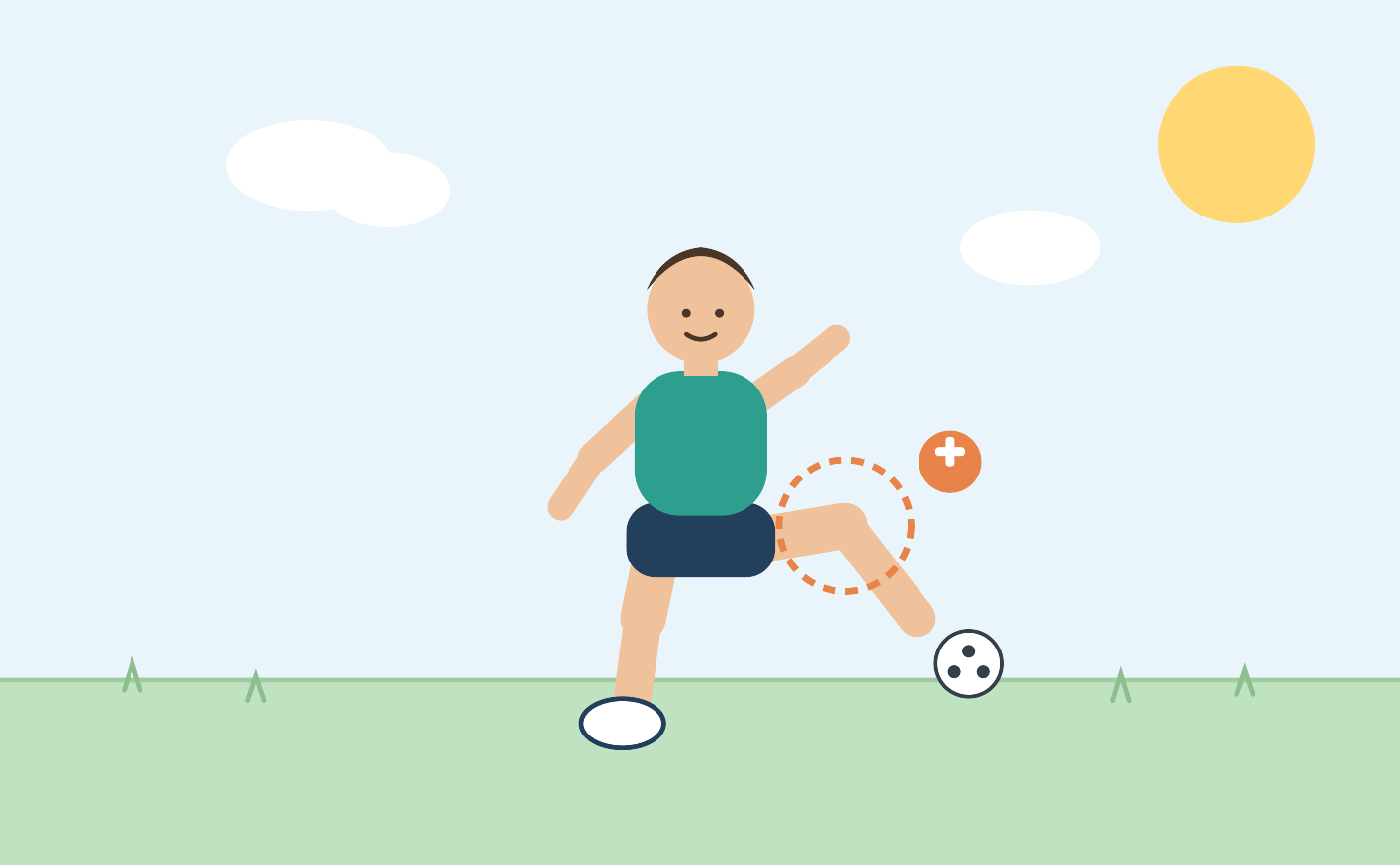
It usually creeps up out of nowhere. Your growing, active kid starts complaining of pain just below the kneecap, and you notice a small, tender bump that definitely wasn't there before. For a lot of parents, the first thought is that something is seriously wrong. For sporty kids, that's usually followed by a second worry: are they going to have to quit the sport they love?
Here's the reassuring part. Osgood-Schlatter disease is one of the most common causes of knee pain in growing kids, and in almost every case it isn't dangerous. With the right management, most children stay active through it and the pain settles on its own as they finish growing. Knowing what's actually going on, and what to do about it, makes the whole thing a lot less scary.
If your child has knee pain but no bump below the kneecap, our article "Why Does My Child Have Knee Pain? A Parent's Guide" might be a better place to start.
What Is Osgood-Schlatter Disease?
Despite the name, it isn't really a disease. It's irritation of the growth plate at the top of the shin bone, right where the patellar tendon (the tendon below the kneecap) attaches.
During a growth spurt, that growth plate is softer and more sensitive than the bone around it. Every time your child runs, jumps, or kicks a ball, the patellar tendon tugs on it. Do that enough times and the area gets irritated and inflamed, and in a lot of kids you end up with a visible bony bump that wasn't there before.
Who Gets It?
A few patterns show up again and again:
It tends to hit during growth spurts, usually somewhere between 9 and 14 in girls and 10 and 15 in boys. It's most common in active kids who run, jump, and change direction a lot, so sports like soccer, basketball, volleyball, gymnastics, and track show up often in these families' stories. Boys are affected more than girls, although that gap is closing as more girls play high impact sports. And it isn't always just one knee. Roughly a quarter of kids get it on both sides.
Common Symptoms
Pain right below the kneecap
The pain sits directly over the bony bump at the top of the shin, exactly where the tendon attaches.
A tender lump that wasn't there before
Many kids develop a firm, tender bump here. It's often more obvious on one leg than the other.
Pain that comes and goes with activity
Running, jumping, squatting, and kneeling tend to bring it on. Stairs, especially going down, are a common complaint too. It usually eases with rest, and it builds up gradually rather than starting suddenly after one bad fall or hit.
The rest of the knee looks normal
This is a good sign. Unlike a true joint problem, the pain and tenderness stay confined to that one spot below the kneecap. The knee itself still bends, moves, and looks the way it should.
What Causes It?
At its core, this is an overuse injury. The tendon keeps pulling on a growth plate that hasn't finished maturing, and it adds up over time. It's more common in kids who play one sport intensively, especially somewhere north of 8 to 10 hours a week.
Growth spurts don't help. When bones grow faster than the muscles and tendons around them can keep up, those tendons get tighter and pull harder on the growth plate with every stride and every jump.
How Is It Treated?
The reassuring news here is that this responds well to conservative treatment, and most kids don't need to give up their sport entirely.
A good treatment plan usually includes cutting back on high impact activity rather than stopping altogether, since a bit of load is fine as long as it's tolerable. Ice after activity helps take the edge off. Stretching the quads and hamstrings matters too, since both tend to get tight during a growth spurt. Guided strengthening, particularly eccentric quad strengthening, is one of the more effective tools we have. Coaches and parents can also help by adjusting training volume when symptoms flare up. Some kids find a supportive strap or taping useful during sport as well.
Most cases settle within 12 to 24 months, generally once the growth plate has finished maturing. The bump itself often sticks around for good, which is completely normal and nothing to worry about.
When Is It a Concern?
Osgood-Schlatter disease on its own isn't dangerous, but a few things are worth a closer look to make sure nothing else is going on.
A sudden jump in pain
If pain suddenly spikes, especially right after a jump or a hard kick, it's worth getting checked. Occasionally this can mean a small piece of bone has actually pulled away at the tendon attachment, which needs prompt attention.
Signs of infection
Fever, redness, warmth, or swelling across the whole knee aren't typical of Osgood-Schlatter disease. These need to be looked at urgently, since they can point to an infection in the joint or bone.
Pain that doesn't fit the usual pattern
Pain at rest, pain at night, or pain that has nothing to do with activity should be checked out, as should pain that spreads across the whole knee rather than staying at that one spot below the kneecap.
So When Should You Seek an Assessment?
Book an assessment if your child:
Is in enough pain that it's getting in the way of sport or keeping up with friends. Has a sudden increase in pain or swelling. Is limping. Isn't improving even with rest and a lighter training load. Has pain at night or when they're just sitting still. Has swelling across the whole knee, not just that one bump. Or has a fever along with the knee pain.
Any one of these is a good reason to have your child seen rather than waiting it out.
The Bottom Line
Osgood-Schlatter disease is common, it's usually manageable, and it doesn't have to mean the end of your child's season. A physiotherapy assessment can help figure out the right balance of rest, load, stretching, and strengthening so your child can stay as active as possible while things settle down. If the pain is severe, comes on suddenly, or shows up with fever or major swelling, get it checked to be safe.
Related Articles
Why Does My Child Have Knee Pain? A Parent's Guide
Growing Pains in Children: What's Normal and When to Worry
