
Patellofemoral Pain Syndrome in Teens
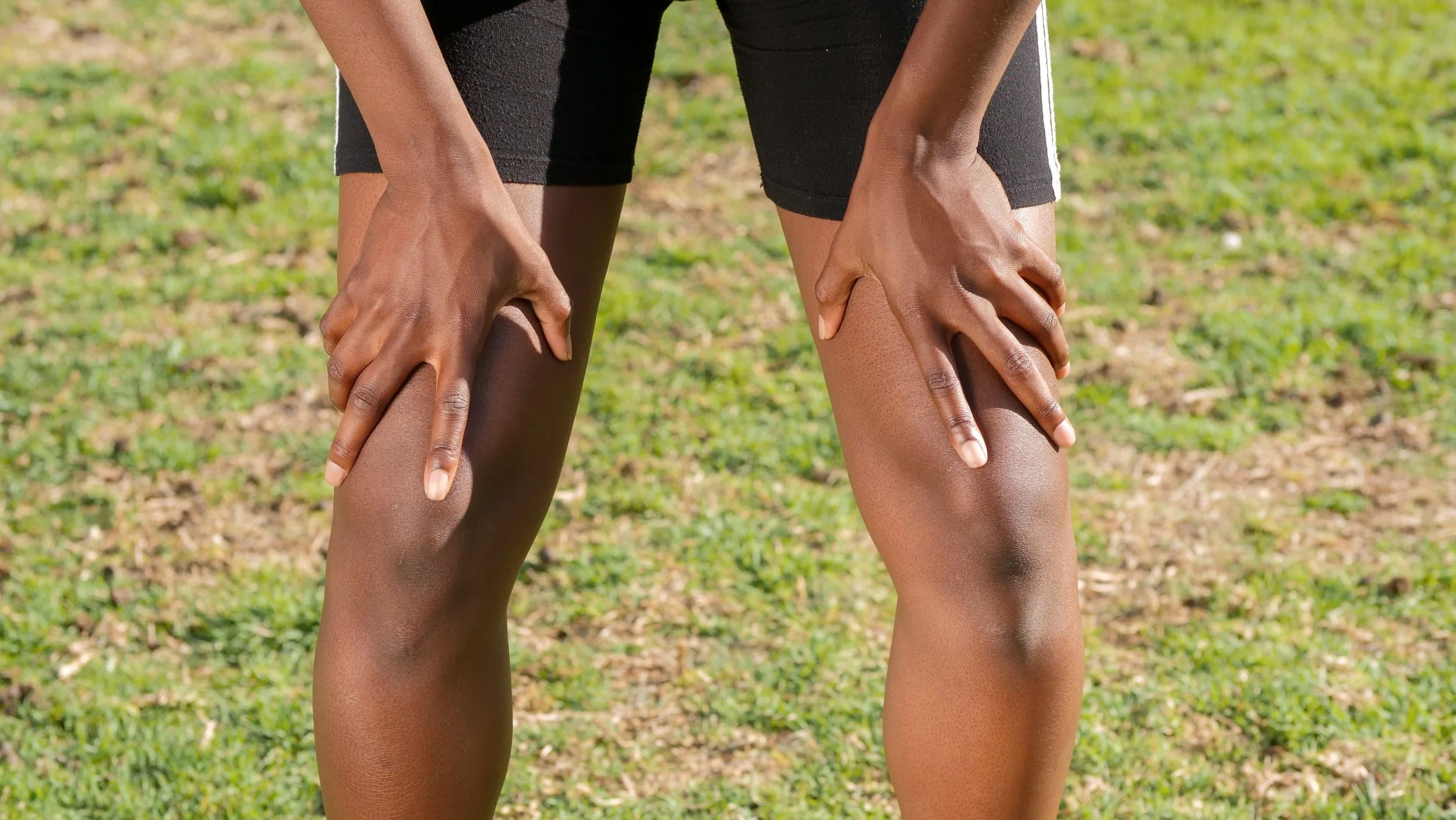
Your teenager comes downstairs wincing after basketball practice, or mentions their knee has been "just kind of achy" for the last few weeks. There's no dramatic fall, no pop, no obvious injury to point to, just a nagging ache that seems to show up after activity, or even after a long day of sitting at school.
It's easy to assume the worst, but in most cases this pattern points to something very manageable: patellofemoral pain syndrome.
Often called runner's knee, this is one of the most common causes of knee pain we see in active teenagers, and the good news is that it responds well to the right approach. If you're still working through the full list of possible causes, our parent's guide to knee pain in kids is a good place to start, this post digs into one of the most common culprits in more detail.
What Is Patellofemoral Pain Syndrome?
Patellofemoral pain syndrome refers to pain around or behind the kneecap (the patella), where it glides along a groove in the thigh bone (the femur) as the knee bends and straightens. When that movement isn't tracking quite right, the underside of the kneecap gets irritated.
Unlike an injury with a clear starting point, this pain tends to creep in gradually. Teens usually can't point to one spot, it's more of a general ache "around" or "under" the kneecap that comes and goes. It's easy to confuse with Osgood-Schlatter disease, another common growth-related cause of knee pain, but Osgood-Schlatter tends to cause a tender bump below the kneecap rather than a general ache behind it.
Who Tends to Get It?
This condition shows up most often in adolescent girls, though boys get it too. It's especially common in:
•    Runners, dancers, and basketball or volleyball players
•    Teens going through a growth spurt
•    Athletes who've recently increased their training volume or intensity
•    Teens starting a new sport or season after time off
Growth spurts play a bigger role than most people realize. When bones lengthen quickly, the surrounding muscles and tendons often can't keep up right away, which changes how the kneecap tracks. Add in a full sports schedule, and the knee ends up doing more work than it's ready for. (This is a different mechanism than true growing pains, which usually show up in both legs overnight and don't cause limping.)
What Does It Feel Like?
Symptoms typically include:
•    A dull ache around or behind the kneecap, rather than one specific tender spot
•    Pain that worsens with running, jumping, or squatting
•    Discomfort going up or down stairs
•    Soreness after sitting for a long time with the knee bent — think classroom desks, car rides, or movie theatres (sometimes called "theatre sign")
•    Occasionally, a grinding or clicking sensation under the kneecap
Notice that swelling, locking, or a knee that feels unstable are not typical patellofemoral pain symptoms, if your teen has those, it's worth getting checked sooner rather than later, as something else may be going on.
What's Actually Causing It?
Patellofemoral pain is rarely about one single thing. It's usually a combination of factors working together, including:
•    Weakness in the hip and glute muscles, which affects how the whole leg lines up when running or landing
•    Tightness through the quads, hamstrings, or IT band
•    Changes in training load: more mileage, more games, or a new sport all at once
•    Movement patterns that put extra stress on the kneecap, such as the knee caving inward during a squat or landing
•    How the foot and lower leg move during running or landing, which is also worth a look if you've ever wondered whether orthotics might help.
This is part of why rest alone often isn't the fix. The knee felt fine when your teen wasn't very active, the goal is figuring out what changed and addressing that, not just avoiding the activity altogether.
How Physiotherapy Can Help
A physiotherapist can assess your teen's strength, movement patterns, and training history to figure out what's driving the pain, then build a plan around it. Treatment commonly includes:
•    Hip and core strengthening, which is one of the most well-supported treatments for this condition
•    Retraining movement patterns during running, jumping, and landing
•    Gradual, structured return to sport rather than an all-or-nothing approach
•    Taping or bracing in some cases, to help manage symptoms while strength improves
•    Education on load management so the knee isn't repeatedly pushed past what it can currently handle
Most teens see real improvement within a few weeks of consistent exercise, though it can take longer depending on how long the pain has been building.
Can They Keep Playing Sports?
In most cases, yes. Complete rest is rarely necessary and can sometimes make things harder in the long run, since it doesn't address the underlying strength or movement issues. The usual approach is modifying training temporarily, adjusting volume, intensity, or specific movements while your teen works through a strengthening program alongside their sport. This is the same gradual, load-based philosophy we take with bigger injuries too. See our post on what actually helps athletes return to sport for more on why rushing back rarely pays off.
When to Get It Checked
Most patellofemoral pain improves with the right exercises and a bit of patience. That said, an assessment is a good idea if the pain is persistent, getting worse, or limiting activity, and it's especially important to be seen if there's swelling, a knee that feels like it's going to give way, locking, or pain that started after a specific injury. Those can point to something other than patellofemoral pain, and a physiotherapist can help sort out what's going on. If your teen has also started favouring the leg or limping, our guide to limping in kids walks through when that's a bigger concern. If further imaging is ever needed, our Clinical Advisor Dr. Laxdal can help guide that process.
The Bottom Line
Patellofemoral pain syndrome is common, treatable, and rarely a sign of anything serious. With a plan that builds strength around the knee and addresses training load, most teens get back to full activity without ongoing issues.
Book an Assessment
If your teenager's knee pain has been sticking around, the fastest way to get answers is a proper assessment. Our team at Better Beyond Rehab works with young athletes every day and can pinpoint what's driving the pain and build a plan to get them back to their sport. Book online or give us a call to get your teen scheduled.
Written By: Better Beyond Rehab Team
