
Is It a Sprained Ankle or a Broken Bone?
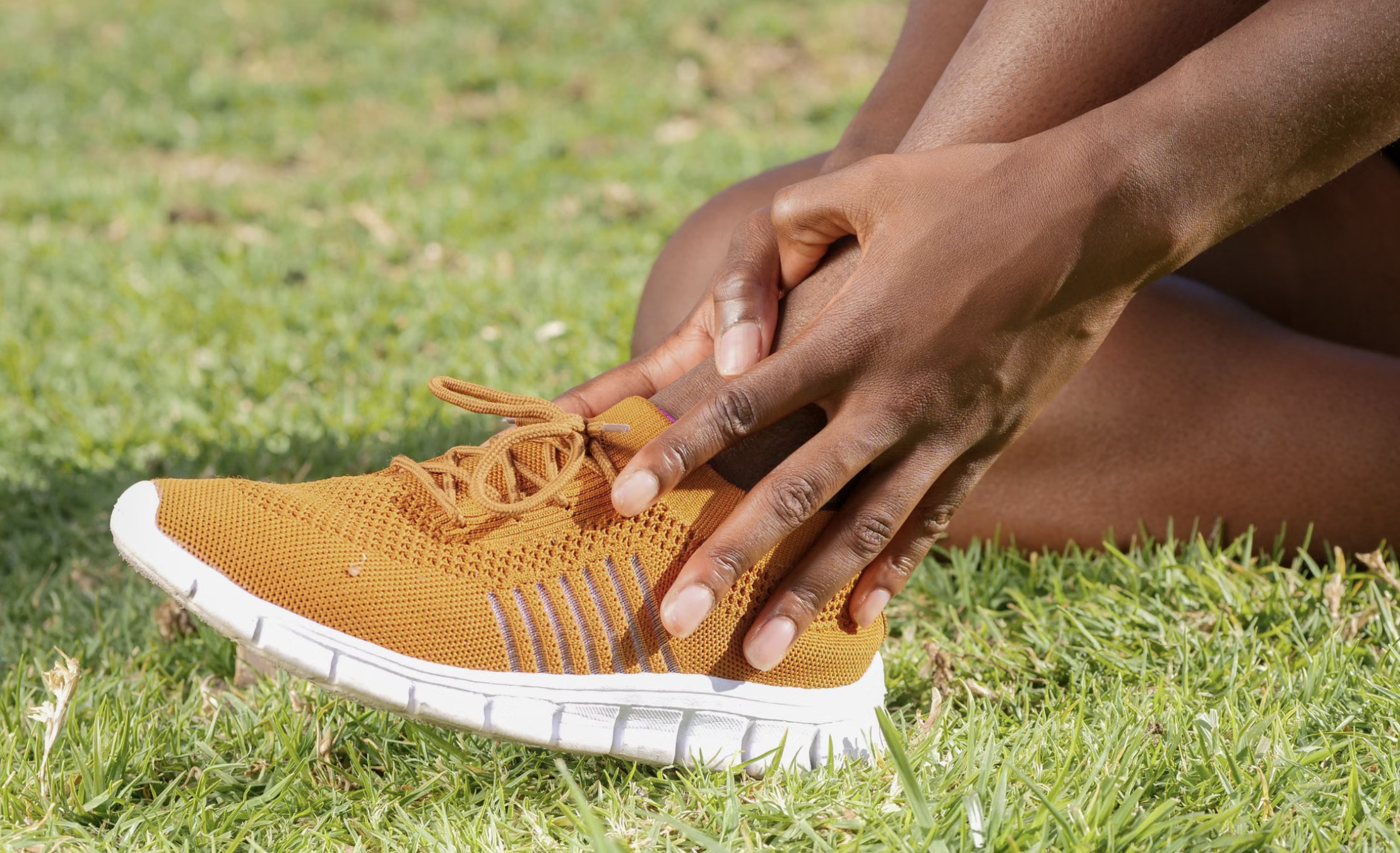
Your kid rolls their ankle at soccer, goes down hard, and gets helped off the field. Twenty minutes later they're limping around the sidelines, the ankle is already puffing up, and everyone on the bench has an opinion. Somebody says it's just a sprain, walk it off. Somebody else is sure it's broken and you should be driving to emergency right now.
It's a fair question, and it's genuinely not always obvious from the outside. Ankle injuries are one of the most common reasons active kids end up in our clinic in Winnipeg, and telling a sprain from a fracture takes a bit more than looking at how swollen it is. Here's what actually helps you sort it out, and when it's worth getting an X-ray.
Why It's Harder to Tell in Kids
In adults, the ligaments around the ankle are usually the weak link. Roll the ankle hard enough and the ligament gives way first, which is what a sprain is.
Kids are built differently. Growing bones have growth plates near the ends, and those areas are softer than the ligaments attached nearby. So when a child's ankle gets forced into an awkward position, the injury can happen at the growth plate rather than the ligament. That's why an ankle that looks and behaves exactly like a sprain in a 10-year-old sometimes turns out to be a small injury to the bone.
This doesn't mean every rolled ankle in a child is a fracture. Most aren't. It just means the "it's only a sprain" assumption deserves a bit more scrutiny before you settle on it.
Signs That Point More Toward a Sprain
Sprains tend to follow a fairly recognizable pattern:
• Pain and swelling on the outside of the ankle, just below and in front of the ankle bone
• Tenderness over the soft tissue rather than directly on the bone
• Bruising that shows up over the next day or two
• Your child can put some weight through it, even if they're limping
• Swelling that builds gradually over a few hours rather than immediately
Most sprains involve the ligaments on the outside of the ankle, and most settle down well with the right plan.
Signs That Point More Toward a Fracture
These are the ones that should move an X-ray up your list:
• Tenderness directly on the bone, particularly on the back edge or the very tip of the ankle bones on either side
• Pain at the outside edge of the midfoot, about halfway between the ankle and the little toe
• Your child can't take four steps on it, either right after the injury or now
• Swelling that came on almost instantly
• Any visible deformity, or an ankle that looks like it's sitting the wrong way
• Numbness, tingling, or a foot that looks pale or dusky
• A snap or crack your child clearly heard or felt at the moment of injury
None of these guarantees a break. But any one of them is a good reason to have the ankle looked at rather than waiting to see how it feels in the morning.
Does My Child Need an X-Ray?
Not every ankle injury does, and that's worth knowing before you spend six hours in a waiting room.
Clinicians use a well-established set of criteria to decide who actually benefits from imaging, built around exactly the things listed above: bone tenderness in specific spots, and whether the child can weight bear. If none of those are present, the odds of a meaningful fracture are low, and an X-ray usually doesn't change what happens next.
A physiotherapist can work through that assessment with you and tell you whether imaging is warranted. If further imaging or a specialist opinion is ever needed, our Clinical Advisor can help guide that process. Sometimes in kids a fracture doesn’t even become visible on X-ray for a couple weeks.
What to Do in the First Couple of Days
Whatever the injury turns out to be, the early management looks similar:
Settle it down. Reduce the aggravating activity, elevate the ankle when your child is sitting, and use ice for comfort in the first day or two.
Keep it moving gently. Complete immobilization is rarely the answer for a straightforward sprain. Gentle movement within a tolerable range helps more than total rest.
Let pain guide weight bearing. If your child can walk on it with a limp, that's usually fine. If they genuinely can't, that's a flag.
Don't rush the return to sport. This is the part that trips families up most often, and we've written about it before in the context of returning to sport after a fracture. Feeling better and being ready are not the same thing.
Why Sprains Deserve More Attention Than They Get
Here's the part most people don't expect: a sprained ankle that never gets rehabbed properly is one of the strongest predictors of the next sprained ankle.
When the ankle gets injured, the small stabilizing muscles and the body's sense of where the joint is in space both take a hit. If nobody retrains that, kids go back to sport with an ankle that looks fine and feels fine walking down the hall, but isn't ready to react when they land awkwardly or get bumped. That's how one rolled ankle turns into a pattern of rolled ankles, and eventually into an ankle that feels like it gives way.
Rehab for a sprain generally involves restoring full range of motion, strengthening through the calf and foot, retraining balance and reaction time, and then building back toward the cutting, jumping, and landing their sport actually demands.
When to Go Straight to Emergency
Skip the wait-and-see approach if there's an obvious deformity, if the foot is numb or looks discoloured, if your child can't bear any weight at all, or if the pain is severe and not settling. An open wound over the injury, or a fever developing afterward, also needs to be seen right away.
The Bottom Line
Most rolled ankles in kids are sprains, and most sprains do well. But children's growth plates change the math a little, so bone tenderness, an inability to weight bear, or a sudden dramatic swell are all worth getting checked. And once a fracture has been ruled out, the sprain still deserves a real rehab plan, because that's what keeps it from happening again next season.
Book an Assessment
If your child has rolled an ankle and you're not sure what you're dealing with, an assessment will sort it out quickly. Our team at Better Beyond Rehab works with young athletes every day, and we can tell you whether imaging is needed, what the recovery timeline looks like, and how to get your child back to their sport with an ankle that holds up. Book online or give us a call.
Related Articles
Why Is My Child Limping? When Should You Be Concerned?
When Can My Child Safely Return to Sports After a Fracture?
Heel Pain in Kids: Is It Sever's Disease?
Trampoline Safety for Kids: Prevent Injuries and Still Have Fun
