
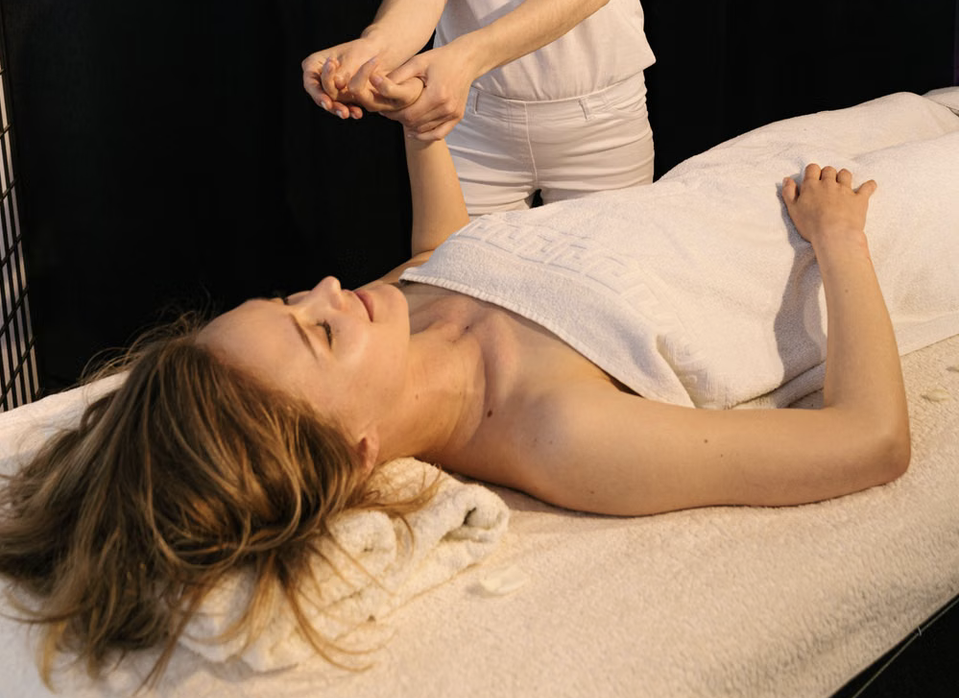
You've had a sore lower back for three weeks. One friend swears by their massage therapist. Another says massage is just an expensive nap. Who's right?
Massage therapy is one of the most popular treatments for aches and pains, and one of the most misunderstood. It gets credit for things it doesn't do, like "flushing toxins," and not enough credit for the things it does well.
The good news is that massage has been studied in hundreds of clinical trials. The honest summary: it can ease several common kinds of pain, and it works best as part of a plan. Knowing what it helps, and what it doesn't, makes it easier to spend your time and benefits wisely.
What Is Massage Therapy?
Massage therapy is hands-on treatment of the body's soft tissues: muscles, tendons, and the connective tissue around them. A registered massage therapist (RMT) uses pressure, kneading, stretching, and movement to reduce pain and tension and help you move more comfortably.
There are many styles, including Swedish, deep tissue, sports, and trigger point massage. Research has not shown that one style is clearly better than another. What matters more is that the treatment is matched to your problem and your comfort level.
How Does Massage Actually Work?
For years, massage was explained in mechanical terms: breaking up knots, releasing adhesions, pushing fluid around. The current understanding is different, and a little more interesting.
Most of the benefit seems to come from the nervous system. Comfortable, sustained pressure changes how your body processes pain signals and helps tense muscles let go. It also calms the body's stress response, which is why you often feel looser and more relaxed afterward.
This explains two things people notice. Relief can be quick, and it tends to fade over days if nothing else changes. That is not a failure of massage. It simply means massage opens a window, and what you do in that window matters.
What Does Massage Therapy Actually Help?
Here is what the research supports, starting with the strongest evidence.
1. Low Back Pain
This is the most studied use of massage. A large review of 25 trials with more than 3,000 participants found short-term improvements in pain for both new and long-standing low back pain. Long-term benefits are less certain.
Massage for back pain works best when it is combined with exercise and education, not used on its own. If back pain is your main concern, our article Low Back Pain: The Condition That Almost Ended My Career is a good first-hand read.
2. Neck and Shoulder Pain
Massage can give short-term relief from neck and shoulder pain, especially the tight, achy kind that builds up with desk work and stress.
Dose seems to matter. In one trial of people with chronic neck pain, 60-minute sessions several times a week helped more than shorter or less frequent ones.
3. Muscle Soreness After Exercise
That stiff, sore feeling a day or two after a hard workout or tournament is called delayed onset muscle soreness (DOMS). Massage reduces it. A pooled analysis of 11 studies found less soreness at 24, 48, and 72 hours when people had a massage after strenuous exercise.
Massage also gives a small boost to flexibility. This makes it a reasonable recovery tool for athletes in a heavy training block or between games.
4. Knee Osteoarthritis
Several small studies have found that massage gives short-term pain relief for people with arthritis in the knee. It does not change the arthritis itself, but it can make it easier to stay active, and staying active is the most important treatment for arthritic knees.
5. Stress, Tension, and Sleep
Many people book a massage simply because they feel better afterward, and that counts. Research suggests massage can lower anxiety and improve mood in the short term, particularly in people living with ongoing pain. Because stress, poor sleep, and pain feed each other, easing one often helps the others.
6. Tension Headaches
Some people with tension-type headaches get relief from massage to the neck and shoulders. The research here is limited and the results are mixed, so think of this as "worth a try" and not a sure thing.
A Fair Word About the Evidence
Massage is hard to study. You can't give someone a fake massage without them noticing, and treatments vary a lot between therapists. A 2024 review of 129 research summaries found that massage was linked with less pain in every case where the evidence was reasonably solid, but none of the evidence reached the highest level of certainty.
In plain terms: massage helps many people with pain, the effect is usually modest and short-term, and it is very safe when done by a trained therapist.
What Massage Does NOT Do
Some of the most common claims about massage don't hold up.
1. It Doesn't "Flush Out Toxins" or Lactic Acid
There is no toxin that massage removes, and you don't need to drink extra water afterward to wash anything away. Lactic acid clears from your muscles on its own soon after exercise. In fact, a Canadian study from Queen's University found that massage right after hard exercise slightly slowed lactic acid removal, because the pressure briefly reduces blood flow.
2. It Doesn't Break Up Knots or Scar Tissue
That tender, tight spot in your shoulder is real, but it is not a physical knot being ground away. Pressure helps the area become less sensitive and the muscle relax. This is why firm, comfortable pressure works as well as painful pressure.
3. It Doesn't Have to Hurt to Work
"No pain, no gain" does not apply here. Mild tenderness the next day is normal, but a massage that leaves you bruised or sore for days was too aggressive. Speak up during your session. A good therapist will always adjust..
Massage Therapy or Physiotherapy?
This is the question we hear most at the front desk. The two work well together, but they do different jobs.
A simple rule: if you are sore, tight, or run down, start with massage. If you are injured, or the same problem keeps coming back, start with a physiotherapy or athletic therapy assessment.
Many of our clients use both. Massage settles things down so the strengthening work is more comfortable, and the strengthening work is what makes the improvement last. At BBR, our massage therapists and physiotherapists work in the same clinic and share a plan when you see both.
What to Expect at Your Massage
Your first visit to our massage therapy team starts with a conversation, not the table. Your therapist will ask about your goals, your health history, and what you've already tried.
Sessions are 30, 60, or 90 minutes. Shorter visits suit one problem area. Longer visits suit several areas or general tension.
You control the pressure. It should feel like "good" pressure, never sharp or breath-holding.
Mild soreness for a day is normal. It should not last longer than that.
How Often Should You Go?
For a new, short-term problem, two or three sessions close together is usually enough to tell whether massage is helping. For long-standing tension or pain, most people do best with a visit every two to four weeks.
If you see no change after three sessions, that is useful information. It usually means the problem needs a different approach, and we will tell you so.
Frequently Asked Questions About Massage Therapy
Does massage therapy really work?
Yes, for the right things. Research supports massage for short-term relief of low back pain, neck and shoulder pain, and muscle soreness after exercise. The effect is usually modest and works best alongside exercise.
Should a massage hurt?
No. Firm pressure can feel intense, but it should never be sharp or make you tense up. Mild tenderness the next day is normal. Bruising or soreness lasting several days is not.
Do I need to drink extra water after a massage?
No. Massage does not release toxins that need to be flushed out. Drink when you are thirsty, as you normally would.
Is massage therapy covered by insurance?
Most extended health benefit plans cover massage therapy from a registered massage therapist. Some plans ask for a doctor's note, so check your plan before you book.
Should I see a massage therapist or a physiotherapist?
Choose massage for muscle tension, stress, and recovery. Choose physiotherapy for an injury, pain that keeps coming back, or when you are not sure what is wrong. Many people benefit from both.
The Bottom Line
Massage therapy is not a cure-all, and it is not just an expensive nap. It gives real, short-term relief for back pain, neck and shoulder pain, and post-exercise soreness, and it helps many people manage stress and tension. It does not flush toxins, break up knots, or make you a faster athlete, and it does not need to hurt to work. The best results come when massage is part of a plan that also gets you stronger and moving well.
Our massage therapy team works alongside our physiotherapists in Winnipeg every day. If you're not sure where to start, contact us or book online and we'll point you to the right person.
Related Articles
